Baby Trees Font for Web Design
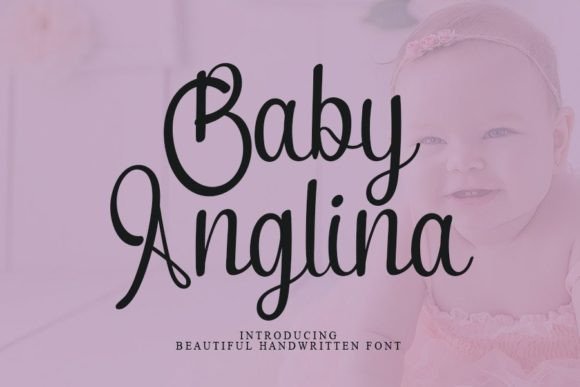
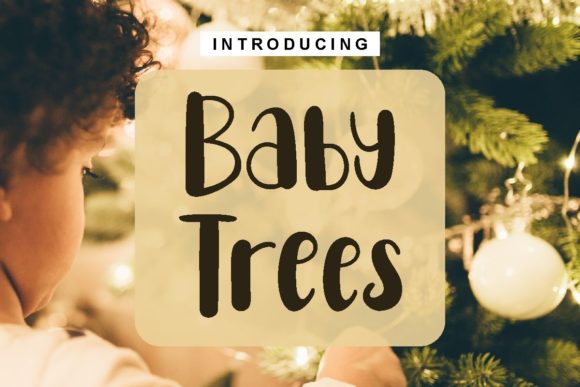
Working on a boutique online store’s homepage, I needed a font that felt personal and inviting. Baby Trees caught my eye—it’s a handwritten script font with a soft, playful touch that stood out in the hero section. The font’s unique style made it perfect for headlines and logos, adding a human element to the digital experience.
What makes Baby Trees special is its balance between casual and elegant. Each letter has a distinct flow, like a hand-drawn signature. It’s not too ornate, so it doesn’t overwhelm the design, but it still feels expressive enough to make a statement. For a brand that wants to feel approachable yet professional, Baby Trees is a strong choice.
Using Baby Trees in Digital Layouts
I tested Baby Trees in several areas of the site. In the hero section, it worked well as the main headline, drawing attention without being hard to read. On mobile screens, the font maintained clarity, which is crucial for fast scanning. I also used it for a call-to-action button, where its visual character added personality without sacrificing legibility.
For headers and subheadings, Baby Trees provided a warm, friendly contrast to the site’s clean sans serif body text. It helped create a visual hierarchy that guided users through the content. When paired with a simple serif or sans serif font, it created a balanced look that felt modern and cohesive.
Readability and Visual Hierarchy
One thing to consider with a handwritten font like Baby Trees is how it performs in different contexts. On dark backgrounds, the font remained readable, but I adjusted the line height and spacing to ensure it didn’t get lost. For image overlays, I kept the text short and used a subtle drop shadow to maintain visibility.
On small buttons, Baby Trees worked well for short phrases, like “Shop Now” or “Learn More.” But for longer paragraphs or dense blocks of text, it wasn’t the best choice. That’s where a more traditional typeface comes in—pairing Baby Trees with a sans serif body font helped keep the design clean and functional.
Best Uses for Baby Trees
Baby Trees shines in display roles. It’s ideal for logos, headings, and decorative accents. For a creative portfolio, using it in the title and section headers gave the site a personal, artistic feel. On a coaching website, it added warmth to the landing page, making the brand feel more relatable.
In an online shop, I used Baby Trees for banners and product titles, creating a sense of whimsy that matched the brand’s aesthetic. For a course sales page, it worked well in the headline and key features, helping to break up the content and draw the eye.
Font Pairing and Brand Consistency
When pairing fonts, I always start with the primary typeface. For Baby Trees, a simple sans serif like Open Sans or Lato made a great companion. This combination allowed the script font to stand out while keeping the rest of the design clean and easy to read.
For editorial-style designs, pairing Baby Trees with a serif font like Georgia or Playfair Display created a more refined, magazine-like feel. It was especially effective for blog headers and featured sections, where the contrast between the two fonts added depth and visual interest.
Checking Font Availability and Licensing
Before implementing Baby Trees on the site, I checked its webfont availability. It came in multiple weights and styles, which gave me flexibility in the design. I also made sure it supported the languages needed for the site’s audience.
Commercial licensing was straightforward, which was important for a client project. I confirmed that the font could be used across all digital assets, including social media graphics and email templates. This ensured consistency across the brand’s entire digital presence.
Overall, Baby Trees added a unique personality to the design without compromising usability. Its handwritten charm made the site feel more human, and its versatility allowed it to work in a variety of layouts. Whether you’re building a new brand or redesigning an existing one, Baby Trees is a valuable addition to any digital toolkit.